Cloths For Kids
Buying Cloths For Kids represents one of the fastest-growing expense categories for families, yet most parents overspend by focusing on quantity over strategic value. The core question parents ask is simple: how do you build a functional, durable wardrobe for children who outgrow everything within months while maintaining quality and staying within budget?
The answer lies in understanding cost-per-wear economics, fabric durability science, and strategic purchasing cycles. This guide breaks down the financial mechanics and practical frameworks that transform children’s clothing from a budget drain into a manageable, predictable expense.
Understanding the Real Cost of Cloths For Kids
According to the U.S. Department of Agriculture, families spend an average of $1,000 to $1,500 annually on children’s apparel. Yet research from consumer protection agencies shows that 40% of purchased items get worn fewer than five times before being outgrown or discarded.
The financial waste stems from three critical misconceptions. First, parents believe more pieces equal better preparedness. Second, they assume higher price tags guarantee superior quality. Third, they purchase reactively rather than planning around growth patterns and seasonal transitions.
The Growth Cycle Mathematics
Children experience predictable growth spurts that directly impact clothing longevity. Infants grow fastest, requiring new sizes every 2-3 months for the first year. Toddlers slow to size changes every 4-6 months. School-age children stabilize further, often maintaining sizes for 8-12 months.
This growth pattern dictates a counterintuitive purchasing strategy: invest more per piece for older children (longer wear period) while minimizing per-item cost for infants and toddlers (shortest wear window).
Fabric Quality Versus Price: The Disconnect
The textile industry operates on markup structures that rarely correlate with actual fabric quality. Designer brands command 300-500% premiums primarily for branding, not superior construction or materials.
When evaluating Cloths For Kids, focus on these technical indicators instead of brand names:
- Thread count and weave density: Higher thread counts (above 200 for cotton) resist pilling and maintain shape through multiple wash cycles.
- Fiber composition: Natural fibers like cotton and merino wool offer superior breathability but require more care. Blends with 10-20% synthetic fibers increase durability without sacrificing comfort.
- Seam construction: Double-stitched or reinforced seams at stress points (knees, elbows, crotch) extend garment lifespan by 40-60%.
- Colorfastness: Reactive dyes bond chemically with fibers, preventing fading. Test by rubbing a damp white cloth on fabric; no color transfer indicates quality dyeing.
Safety Standards You Cannot Ignore
The Consumer Product Safety Commission (CPSC) enforces strict flammability standards for children’s sleepwear. All garments must pass flame resistance testing or fit snugly (limiting oxygen between fabric and skin). Loose-fitting cotton pajamas represent a documented fire hazard.
Beyond flammability, check for choking hazards. Buttons, snaps, and decorative elements on Cloths For Kids for children under three must withstand 15 pounds of pull force per CPSC testing protocols. Any detachable small parts violate safety standards.
The Strategic Cloths For Kids Framework
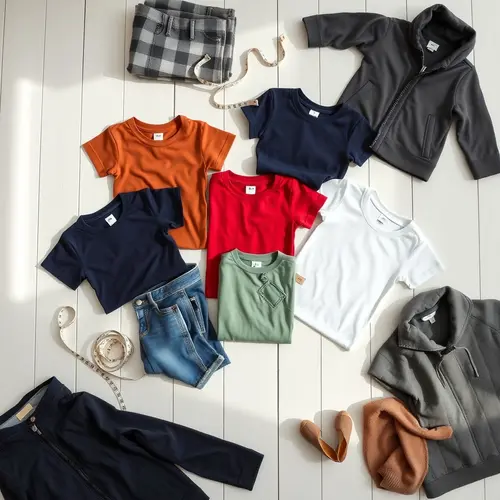
Most parents accumulate random pieces without a cohesive system. The capsule wardrobe methodology, adapted from adult fashion, works exceptionally well for children’s clothing budgets.
| Age Range | Core Pieces Needed | Seasonal Add-Ons | Recommended Budget Allocation |
|---|---|---|---|
| 0-12 months | 8-10 onesies, 4-6 sleepers, 3-4 pants | 2 jackets, 2 hats | $200-$300 annually |
| 1-3 years | 6-8 tops, 4-5 bottoms, 2 dresses/outfits | 3 outerwear, 4 pajama sets | $300-$450 annually |
| 4-8 years | 8-10 tops, 5-6 bottoms, 3 dresses/outfits | 2 coats, 5 pajama sets | $400-$600 annually |
| 9-12 years | 10-12 tops, 6-8 bottoms, 4 dresses/outfits | 2-3 coats, 6 pajama sets | $500-$750 annually |
Cost-Per-Wear Calculation Model
Professional buyers use cost-per-wear metrics to evaluate true value. Divide the purchase price by projected number of wears to compare options rationally.
Example: A $30 pair of reinforced jeans worn 40 times equals $0.75 per wear. A $15 pair worn 10 times before wearing out equals $1.50 per wear. The initially more expensive option delivers superior value.
Cloths For Kids: Debunking the “Always Buy New” Myth
The secondhand children’s clothing market operates as a legitimate, quality-controlled ecosystem. Platforms specializing in Cloths For Kids resale employ inspection processes that match or exceed retail quality standards. Items showing excessive wear, staining, or damage get rejected.
Purchasing secondhand for fast-growth periods (infant to toddler stages) reduces costs by 60-80% without quality compromise. Reserve new purchases for items touching skin directly (underwear, socks) and special occasion wear.
A contrarian perspective worth considering: hand-me-downs from trusted sources often represent higher quality than budget new purchases. Garments surviving multiple children prove superior construction and durability.
Seasonal Timing Strategy
Retailers follow predictable clearance cycles. Purchase Cloths For Kids using this seasonal arbitrage strategy:
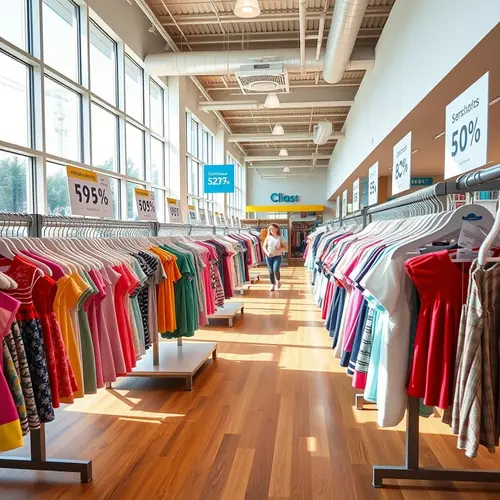
- End of season sales: Buy winter coats in February-March, summer clothing in August-September at 50-70% discounts
- Size up intentionally: Purchase one size larger during clearance periods; children grow into items by appropriate season next year
- Off-season online shopping: E-commerce clearance extends 2-3 months longer than physical retail
Maintenance Cloths For Kids: Extending Garment Lifespan
Proper care extends clothing lifespan by 40-60%, directly improving cost-per-wear ratios. Most parents over-wash children’s clothing, accelerating fiber breakdown and color fading.
Wash items only when visibly soiled or odorous. Spot-clean minor stains immediately rather than laundering entire garments. Use cold water for 90% of loads; hot water shrinks fibers and fades colors faster.
For Cloths For Kids, air drying preserves elasticity and prevents heat-induced shrinkage. Dryers reduce garment lifespan by approximately 25% compared to line or rack drying.
Practical Cloths For Kids Troubleshooting: The Growth Spurt Challenge
Parents face a common dilemma when children experience unexpected growth spurts between planned purchasing cycles. Rather than emergency shopping at full retail prices, maintain a “growth reserve” strategy.
Purchase 2-3 items in the next size up during seasonal sales, storing them for inevitable growth spurts. This reserves budget allocation while capturing discount pricing. Label stored items by size and season to maintain organization.
Building Long-Term Cloths For Kids Budget Discipline
Track clothing expenses monthly to identify spending patterns and waste areas. Most families discover they overspend on impulse purchases while underinvesting in core wardrobe staples.
Allocate fixed monthly amounts to a dedicated children’s clothing fund, purchasing strategically during optimal seasonal windows rather than reactively as needs arise. This approach reduces per-item costs by 30-40% through disciplined buying during sale periods.
The financial discipline required for managing Cloths For Kids expenses mirrors broader household budget management principles. Families mastering strategic clothing purchases typically demonstrate stronger overall financial health and reduced consumer debt levels.
Implementing these frameworks transforms children’s clothing from an unpredictable expense into a controlled, optimized budget category. The key lies in rejecting impulsive purchasing patterns, understanding fabric quality indicators independent of branding, and leveraging growth cycle mathematics to time purchases strategically.
Parents who adopt cost-per-wear thinking and seasonal purchasing discipline consistently reduce annual Cloths For Kids expenses by 40-50% while maintaining or improving wardrobe quality and functionality.
About the Author