Kid Palace
The Kid Palace concept represents a thriving segment of the family entertainment industry, offering indoor play experiences that combine recreation, education, and social development for children. Understanding the business mechanics behind this model helps entrepreneurs and investors evaluate opportunities in a market that generates billions annually through membership fees, party bookings, and ancillary services.
What Makes Kid Palace a Distinctive Business Model
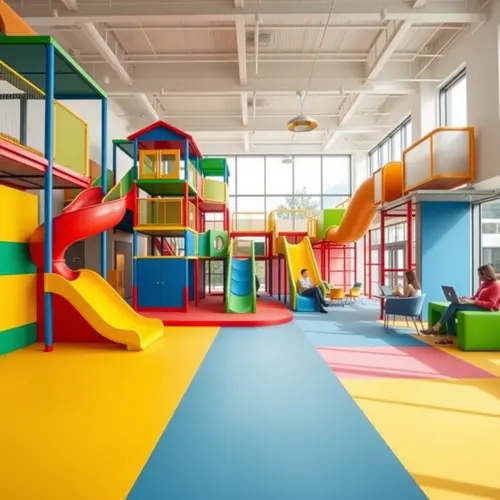
A Kid Palace operates as a climate-controlled indoor facility featuring age-appropriate play structures, interactive zones, and supervised activities. Unlike traditional playgrounds, these venues function as year-round destinations where parents pay for access to safe, engaging environments regardless of weather conditions.
The business model capitalizes on several converging trends. Urban families increasingly seek structured play options due to limited outdoor space. Working parents value supervised environments that allow children to burn energy while adults work remotely or socialize. According to the International Association of Amusement Parks and Attractions, indoor family entertainment centers have shown consistent growth as dual-income households prioritize convenient, high-quality childcare alternatives.
Core Revenue Streams in the Kid Palace Framework
Successful operations diversify income beyond simple admission fees. Entry passes typically account for 40-50% of revenue. Birthday party packages generate substantial margins, often contributing 25-35% of total income. Food and beverage sales, merchandise, and specialty programs like toddler classes or summer camps fill remaining revenue gaps.
The membership model deserves particular attention. Facilities offering monthly unlimited access create predictable cash flow and improve customer lifetime value. Members visit more frequently, spend more per visit on food and extras, and provide referral business through word-of-mouth marketing.
Investment Requirements and Operational Realities
Starting a Kid Palace requires significant upfront capital. Real estate alone demands strategic thinking, as locations need high visibility, ample parking, and sufficient square footage to accommodate multiple play zones, party rooms, and parent lounges.
| Expense Category | Typical Range | Key Considerations |
|---|---|---|
| Facility Buildout | $250,000 – $800,000 | Custom play structures, safety surfacing, electrical |
| Real Estate (First Year) | $120,000 – $300,000 | Lease deposits, rent, property insurance |
| Licensing & Insurance | $35,000 – $75,000 | Liability coverage, permits, health inspections |
| Staffing (First Year) | $180,000 – $400,000 | Managers, party coordinators, cleaning crew |
| Marketing & Technology | $40,000 – $90,000 | Website, booking system, local advertising |
Location Strategy Separates Winners from Struggling Operations
Demographics matter more than foot traffic. The ideal catchment area contains high concentrations of families with children under 10, household incomes exceeding $75,000, and population density supporting 30,000+ residents within a 15-minute drive. Strip mall locations near grocery anchors outperform standalone buildings due to built-in parent traffic patterns.
Zoning compliance creates unexpected hurdles. Many municipalities classify these facilities as assembly spaces requiring enhanced safety codes, sprinkler systems, and ADA accessibility that exceed retail standards. Building departments often lack clear guidelines for indoor play centers, extending permitting timelines by 3-6 months beyond initial projections.
Operational Challenges Most Kid Palace – Franchisees Underestimate
Labor management dominates daily operations. Staff turnover in the family entertainment sector averages 65-80% annually, according to workforce studies from the National Restaurant Association, which tracks similar service environments. Maintaining consistent supervision ratios during peak hours while controlling labor costs during slow periods requires sophisticated scheduling.
Liability exposure shapes every operational decision. Comprehensive general liability policies cost substantially more than standard retail coverage. Some insurers require specific safety protocols, documented equipment inspections, and background checks for all staff with child contact. One incident can trigger premium increases that persist for years.
The Revenue Reality Most Proformas Ignore
Seasonal fluctuations hit harder than expected. Summer months see decreased weekday traffic as families vacation and opt for outdoor activities. Conversely, winter and rainy seasons drive peak demand. This cyclical pattern creates cash flow challenges during slow periods and capacity constraints during busy seasons.
Party bookings generate high revenue per event but carry hidden costs. Each party requires dedicated staff, custom setup, and thorough post-event cleaning. Facilities booking multiple simultaneous parties sacrifice public play space, potentially frustrating regular visitors. Striking the right balance between party revenue and daily admission income requires constant adjustment.
Kid Palace: The Missed Opportunity in Membership Programs
Most Kid Palace operators leave money on the table by treating memberships as simple unlimited access passes. The sophisticated approach segments membership tiers by age group and visit frequency. A toddler membership priced lower than one for older children acknowledges different facility usage patterns and perceived value.
The contrarian strategy involves deliberately limiting membership sales to maintain experience quality. Facilities selling unlimited memberships to anyone who requests them eventually reach a tipping point where overcrowding drives away both members and day visitors. Implementing membership caps based on square footage and peak capacity protects long-term business value.
Technology Integration Beyond Kid Palace – Basic Booking Systems
Modern Kid Palace operations leverage technology in unexpected ways. RFID wristbands track child locations within facilities, providing parents peace of mind while generating valuable data about which play zones attract sustained engagement. This information guides equipment replacement decisions and layout optimization.
Customer relationship management systems targeting family entertainment differ from retail CRM tools. The most effective platforms track individual children’s ages, automatically suggesting relevant programs as kids grow, and triggering re-engagement campaigns when families lapse after school schedule changes or new siblings arrive.
Financial Metrics That Determine Long-Term Viability
Break-even analysis for a Kid Palace must account for working capital needs beyond initial buildout. Most facilities require 6-12 months to reach consistent profitability as brand awareness builds and membership bases mature. Undercapitalized operators often fail not from lack of demand but from insufficient runway to reach sustainable operations.
- Target revenue per square foot should exceed $150 annually
- Labor costs must remain below 32% of gross revenue
- Membership retention rates above 70% indicate strong product-market fit
- Party conversion rates from inquiries should achieve 45-55%
- Average visit duration of 90+ minutes suggests appropriate facility size and variety
Kid Palace: The Franchise versus Independent Decision Framework
Franchise systems offer proven operational playbooks and group purchasing power but extract ongoing royalties typically ranging from 6-8% of gross revenue plus 2-3% for marketing funds. Independent operators retain full profits but must develop systems, negotiate vendor relationships, and build brand recognition from scratch.
The break-even point between franchise fees and independent savings often arrives around year three. Operators planning to open multiple locations benefit more from franchise systems due to accelerated replication. Single-unit owners frequently generate better returns by avoiding ongoing royalties, provided they possess strong operational capabilities.
Kid Palace Market Saturation and Competitive Positioning
The Kid Palace market faces increasing competition from trampoline parks, ninja warrior courses, and virtual reality experiences targeting older children. Successful operators differentiate by focusing on younger demographics (ages 1-7) that competitors ignore, creating parent-friendly environments with comfortable seating and reliable WiFi, or specializing in educational programming that justifies premium pricing.
Strategic partnerships extend reach without capital investment. Collaborations with preschools for field trips, pediatric offices for play prescriptions, and corporate HR departments for employee family benefits create consistent traffic during typically slow weekday mornings. These B2B relationships often convert to individual memberships as families experience the facility.
Understanding the complete business ecosystem around a Kid Palace helps investors and operators make informed decisions about this capital-intensive but potentially rewarding sector. Success requires balancing immediate revenue needs with long-term brand building, maintaining rigorous safety standards while creating joyful experiences, and adapting to demographic shifts as family structures and parenting philosophies continue to evolve.
About the Author