Kids Botique
A Kids Boutique represents a specialized retail business focused on selling carefully curated children’s clothing, accessories, and lifestyle products that differentiate from mass-market chains. This business model thrives on personalized customer service, unique product selection, and community engagement that larger retailers cannot replicate.
The children’s retail sector generates billions in annual revenue across independent boutiques alone. Parents increasingly seek distinctive, high-quality items that reflect their values and their children’s personalities, creating sustainable demand for well-positioned boutique operations.
Understanding the Kids Boutique Market Opportunity
Independent children’s retail stores fill a specific gap between discount retailers and luxury department stores. According to the Small Business Administration, specialty retail businesses that focus on niche markets demonstrate higher customer loyalty and better profit margins than generalist competitors.
The typical boutique customer prioritizes quality over quantity. These buyers research products thoroughly, value expert recommendations, and willingly invest in items that offer superior craftsmanship or unique design elements.
Market research from the National Retail Federation indicates that specialty children’s stores maintain average profit margins between 4-13%, with successful operations at the higher end through strategic inventory management and customer relationship building.
Core Customer Demographics for Your Kids Boutique
Your primary customers typically include millennial and Generation X parents with household incomes above median levels. These buyers actively seek alternatives to fast fashion and mass-produced merchandise.
Secondary customers include gift-givers such as grandparents, aunts, and family friends who want memorable presents. Understanding both segments allows you to merchandise effectively and create marketing campaigns that resonate with different purchasing motivations.
Financial Planning and Startup Capital Requirements
Launching a Kids Boutique requires careful financial planning across multiple categories. Realistic budgeting prevents the cash flow problems that force many retail startups to close within their first year.
| Expense Category | Estimated Range | Key Considerations |
|---|---|---|
| Initial Inventory | $15,000-$40,000 | Varies by store size and price point strategy |
| Lease Deposit & Build-Out | $10,000-$30,000 | Location quality directly impacts foot traffic |
| Fixtures & Display Systems | $5,000-$15,000 | Creates brand atmosphere and shopping experience |
| Point-of-Sale & Technology | $2,000-$5,000 | Integrated inventory management saves time |
| Marketing & Launch | $3,000-$8,000 | Digital presence and grand opening promotion |
| Operating Reserve | $10,000-$20,000 | Covers 3-6 months of fixed expenses |
The U.S. Small Business Administration offers various loan programs designed for retail startups, including microloans and 7(a) loans. Many successful boutique business owners also utilize personal savings, partnerships, or small business grants to reduce debt burden during the critical first year.
Strategic Inventory Selection for Maximum Profitability
Your Kids Boutique merchandise mix directly determines your brand identity and profit potential. Successful owners balance trend-responsive items with classic staples that generate consistent sales throughout seasons.
Building relationships with independent designers and small-batch manufacturers provides exclusive product lines that customers cannot find elsewhere. This exclusivity justifies premium pricing and builds brand differentiation.
The standard retail markup in children’s specialty stores ranges from 2.2 to 2.5 times wholesale cost (keystone pricing and beyond). Higher-end boutiques often achieve 3x markup on unique or designer items where brand value supports the premium.
Sizing and Age Range Strategy
Most profitable boutiques focus on specific age segments rather than attempting full newborn-through-teen coverage. Concentrating on ages 0-6 or 2-8 allows deeper inventory in each size and more cohesive merchandising.
Newborn and baby items offer high purchase frequency but require significant size variety. Toddler and young children’s ranges provide better margins with slower size progression and stronger gift-giving demand.
Location Analysis and Store Layout Optimization
Choosing the right location for your Kids Boutique affects every aspect of business performance. High-visibility storefronts in family-oriented shopping districts generate natural foot traffic, while lower-rent locations require stronger digital marketing to drive awareness.
Successful boutique owners analyze demographic data including household income levels, percentage of families with young children, and competition density within a 5-mile radius. The International Council of Shopping Centers publishes research on optimal retail locations that can inform your site selection process.
Store Design Elements That Drive Sales
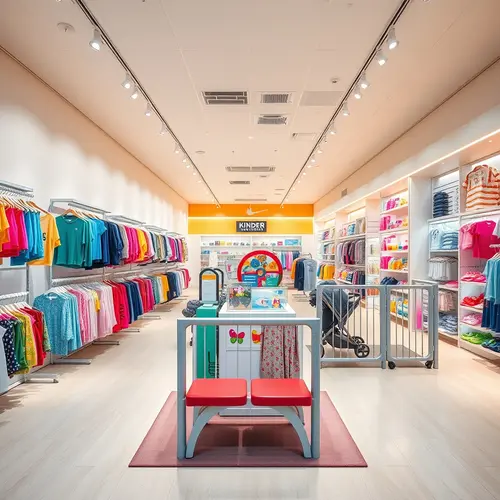
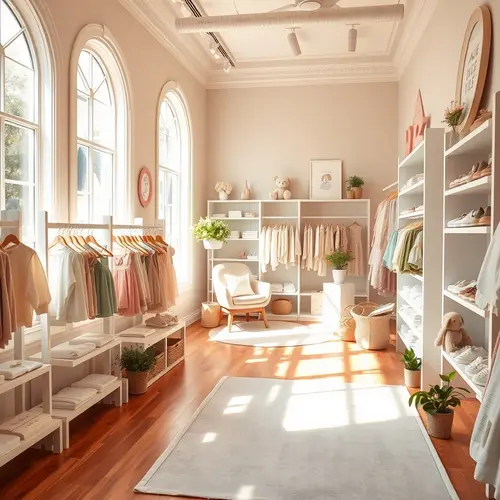
- Wide aisles and stroller-friendly layouts accommodate shopping with children
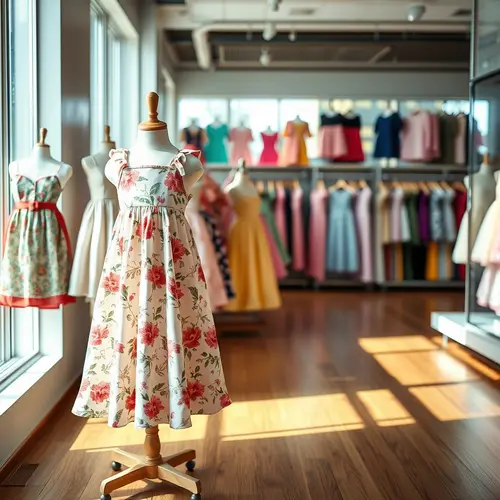
- Low display tables allow kids to see and touch merchandise, increasing engagement
- Dedicated fitting room areas with adequate space for parent and child
- Instagram-worthy design elements that encourage social media sharing
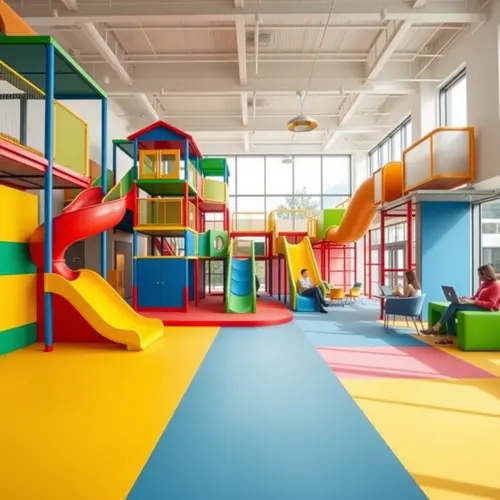
- Play corner or entertainment zone that extends shopping time
- Clear sightlines throughout store for security and customer service
Marketing Strategies That Build Community Loyalty
A Kids Boutique thrives on relationship marketing rather than transaction-based sales. Creating a community hub where parents connect generates word-of-mouth referrals that no advertising budget can replicate.
Hosting monthly events such as story time, clothing swaps, or parenting workshops positions your store as a destination beyond simple retail. These gatherings build emotional connections with your brand that transcend price competition.
Email marketing remains one of the highest-ROI channels for boutique retail. Building a quality subscriber list and sending value-driven content (styling tips, early sale access, new arrival previews) keeps your store top-of-mind without aggressive selling.
Leveraging Kids Boutique – Social Media Without Overwhelming Resources
Instagram serves as the primary platform for children’s boutique marketing due to its visual nature and strong parent user base. Consistent posting of product styling, customer features, and behind-the-scenes content builds authentic connection.
User-generated content from customers wearing your merchandise provides social proof more powerful than professional photography. Creating a branded hashtag and encouraging customer shares amplifies your reach organically.
Common Pitfalls and How to Avoid Them
Many Kids Boutique owners underestimate the cash flow challenges of seasonal retail. Children’s clothing follows distinct buying patterns around back-to-school, holidays, and spring/summer transitions that create revenue concentration.
Over-investing in inventory before understanding your customer preferences leads to markdowns that destroy profitability. Starting with smaller, more frequent orders allows you to test products and respond to actual demand rather than projected sales.
Competing on price against online retailers and big-box stores represents a losing strategy. Your value proposition centers on curation, experience, and convenience that justify premium pricing to your target customer.
Kids Boutique: The Overlooked Power of Vendor Relationships
Most boutique business advice focuses on customer-facing strategies, but your vendor partnerships determine your true competitive advantage. Negotiating favorable payment terms, securing exclusive territories, and obtaining markdown allowances significantly impact profitability.
Building genuine relationships with sales representatives and brand owners opens doors to special opportunities. Early access to new collections, flexibility on minimum orders, and consignment arrangements become available to trusted retail partners who demonstrate sales success and prompt payment.
Building a Sustainable Business Model Kids Boutique
Long-term success for your Kids Boutique requires systems that work without your constant presence. Documenting procedures, training reliable staff, and implementing inventory management software creates a business that operates efficiently as you scale.
Diversifying revenue through online sales channels extends your market reach beyond physical location limitations. A well-integrated e-commerce platform allows you to serve existing customers between store visits and attract new buyers from broader geographic areas.
The most profitable boutiques develop multiple revenue streams including private label products, personal styling services, or party hosting that leverage existing customer relationships. These additions increase transaction values and create differentiation from competitors.
Starting a Kids Boutique combines entrepreneurial passion with strategic business planning. Success requires understanding your market, managing finances carefully, and building genuine community connections that transform customers into advocates for your brand.
About the Author