Kids Stores Online
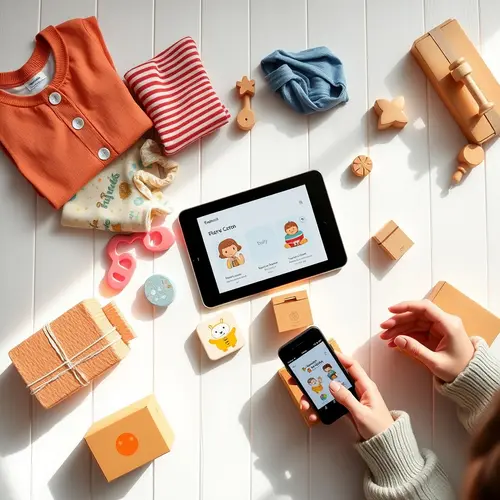
Shopping at kids stores online has transformed how parents purchase everything from clothing to educational toys. The convenience of browsing thousands of products from home saves time, but choosing the right retailer requires understanding safety standards, return policies, and product quality markers that separate exceptional stores from mediocre options.
The digital marketplace offers specialized children’s retailers alongside major department stores with dedicated kids sections. Each category serves different needs, budgets, and shopping preferences.
What Makes Kids Stores Online Trustworthy
Legitimate online children’s retailers display specific characteristics that signal reliability. The Consumer Product Safety Commission (CPSC) maintains strict regulations for children’s products, and reputable stores prominently feature compliance certifications.
Look for detailed product descriptions that include age recommendations, material compositions, and safety warnings. Stores selling children’s items must adhere to federal testing requirements for lead content, choking hazards, and flammability standards. A trustworthy retailer provides this information transparently.
Customer service accessibility matters significantly. Quality kids stores online offer multiple contact methods—phone support, live chat, and email—with reasonable response times. This becomes critical when questions arise about sizing, allergies, or product recalls.
Essential Safety Kids Stores Online Certifications to Verify
The CPSC requires third-party testing for children’s products. Stores should reference these certifications in product listings. The ASTM International standards, particularly ASTM F963 for toy safety, represent industry benchmarks.
Check for clear labeling regarding small parts warnings for children under three. Federal law mandates these disclosures, and stores ignoring such requirements raise red flags about their overall compliance practices.
Categories of Kids Stores Online
Understanding different store types helps match shopping needs with the right platform. Each category offers distinct advantages depending on what you’re purchasing.
| Store Type | Best For | Price Range | Selection Depth |
|---|---|---|---|
| Specialty Kids Boutiques | Unique items, premium quality | $$-$$$ | Curated, limited inventory |
| Major Retail Chains | Everyday essentials, convenience | $-$$ | Broad but mainstream |
| Direct-to-Consumer Brands | Specific product categories | $$ | Deep in niche, limited overall |
| Marketplace Aggregators | Price comparison, variety | $-$$$ | Extensive but variable quality |
Kids Stores Online: Specialty Retailers vs. General Merchants
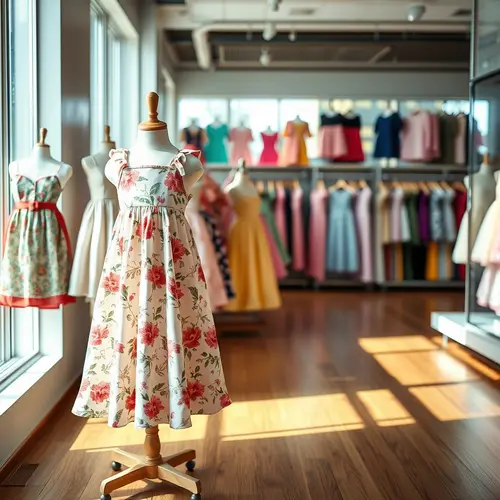
Specialized kids stores online focus exclusively on children’s products. These retailers typically employ staff with deeper product knowledge and offer more comprehensive sizing guides. They often carry organic, eco-friendly, or educational product lines that general retailers overlook.
General merchants provide convenience through one-stop shopping. Purchasing school supplies, clothing, and household items in a single transaction saves shipping costs and simplifies returns. However, their children’s sections may lack specialized items or premium brands.
Smart Shopping Strategies for Kids Stores Online Products
Effective online shopping for kids requires different tactics than adult purchases. Children outgrow clothing rapidly, making return flexibility crucial. Prioritize stores with extended return windows—at least 60 days—and free return shipping.
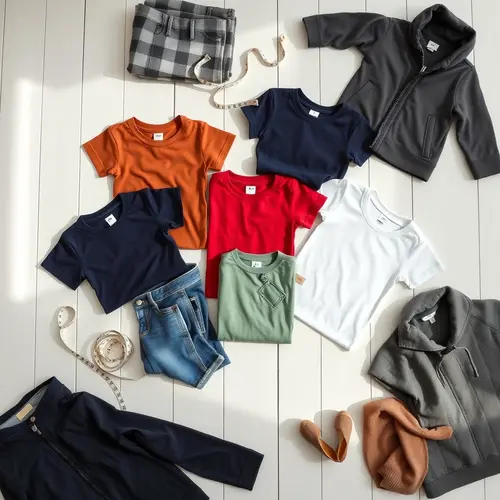
Sizing inconsistencies plague children’s apparel across brands. Quality kids stores online provide detailed measurement charts with specific garment dimensions rather than just age ranges. Measure your child and compare against actual measurements, not assumed sizes.
Reading Reviews Effectively
Customer reviews reveal insights that product descriptions omit. Look for comments about sizing accuracy, durability after washing, and whether items match photographs. Reviews mentioning specific measurements prove more valuable than general satisfaction statements.
Be skeptical of exclusively positive reviews. Authentic feedback includes constructive criticism. A store with varied ratings and detailed responses to negative reviews demonstrates accountability.
Security and Payment Protection
Financial security matters when shopping at any kids stores online. Verify the site uses HTTPS encryption—the browser address bar should display a padlock icon. Legitimate retailers partner with recognized payment processors and offer secure checkout options including PayPal or major credit cards.
Credit cards provide stronger fraud protection than debit cards. Federal law limits credit card fraud liability to $50, and most issuers waive even that amount. Debit card protections vary by bank and may take longer to resolve.
Privacy Policies and Data Collection
Children’s retailers should maintain clear privacy policies explaining data usage. Be cautious of stores requesting excessive personal information during checkout. Name, shipping address, and payment details suffice for most transactions.
Avoid creating accounts on unfamiliar sites unless you plan repeat purchases. Guest checkout reduces exposure if a retailer experiences a data breach.
Essential Shopping Checklist for Kids Stores Online
Before completing any purchase, verify these critical elements:
- Product safety certifications clearly listed in descriptions
- Detailed return policy with specific timeframes and conditions
- Multiple customer service contact options prominently displayed
- Transparent shipping costs calculated before final checkout
- Secure payment processing with recognized providers
- Real customer reviews spanning multiple rating levels
- Physical business address or legitimate contact information
- Clear product images from multiple angles
- Specific material compositions and care instructions
- Age-appropriate warnings and safety information
Kids Stores Online: The “Bigger Is Safer” Myth
Many parents assume major retail corporations automatically provide safer products than smaller specialty stores. This misconception ignores that all children’s product sellers must meet identical CPSC requirements regardless of company size.
Smaller kids stores online often maintain stricter internal quality controls because their reputation depends entirely on customer satisfaction. They cannot absorb the negative publicity that large retailers weather more easily. Boutique children’s stores frequently work directly with manufacturers, enabling better oversight of production standards.
The actual safety differentiator is compliance verification. A small retailer transparently sharing safety certifications and testing documentation provides more assurance than a large marketplace that allows third-party sellers without rigorous vetting. Size matters less than accountability.
Handling Problems and Returns
Despite careful shopping, issues occasionally arise. Document problems immediately with photographs showing defects, incorrect items, or shipping damage. Contact customer service within the stated timeframe—many stores void returns after specific periods.
Keep original packaging until you confirm items meet expectations. Most kids stores online require returns in original packaging with tags attached. Destroying packaging immediately eliminates return options if products prove unsuitable.
For safety-related concerns, report issues to the CPSC through their website. Federal law protects consumers reporting defective children’s products, and such reports may trigger broader safety investigations benefiting all families.
Maximizing Value Without Compromising Quality
Budget-conscious shopping does not require accepting lower safety standards. Many premium children’s brands sell through multiple retailers at varying price points. Comparison shopping across several kids stores online often reveals significant price differences for identical items.
Subscribe to email lists selectively for stores you trust. Retailers regularly offer subscriber-exclusive discounts ranging from 15-25% off. Combine these with seasonal sales for maximum savings.
Consider timing purchases strategically. Back-to-school sales in late summer and post-holiday clearances in January offer substantial markdowns. Buying ahead in larger sizes capitalizes on these periods while ensuring children have necessary items as they grow.
Shopping at kids stores online provides unmatched convenience when you understand how to evaluate retailers, verify product safety, and protect your financial information. The right approach balances price considerations with quality assurance, creating a sustainable shopping strategy that serves your family’s needs while maintaining the high standards children’s products demand.
About the Author