fat wong kitchen
When searching for authentic Asian fusion cuisine that delivers bold flavors and generous portions, fat wong kitchen stands out as a destination that combines traditional cooking techniques with contemporary culinary innovation. This establishment has built a reputation for serving dishes that honor classic recipes while introducing creative twists that appeal to modern palates.
What Makes Fat Wong Kitchen Unique
Fat wong kitchen specializes in a fusion approach that bridges Cantonese, Szechuan, and Southeast Asian cooking styles. The kitchen team focuses on balancing the five fundamental taste profiles: sweet, sour, salty, bitter, and umami. This attention to flavor harmony sets the dining experience apart from standard takeout operations.
The restaurant operates on a made-to-order principle. Unlike many fast-casual establishments that rely on pre-prepared components, each dish receives individual attention from the wok station. This approach ensures optimal texture and temperature but does require slightly longer wait times during peak hours.
Signature Dishes at Fat Wong Kitchen
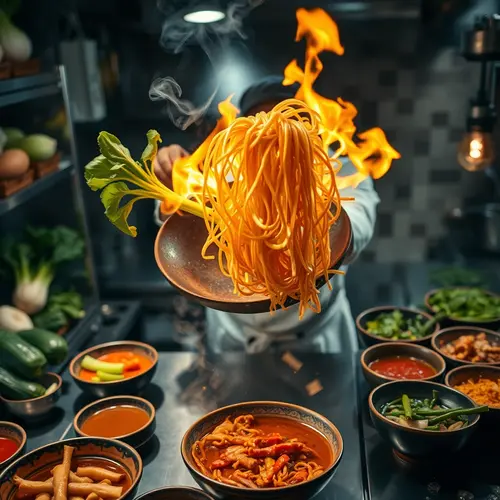
The menu at fat wong kitchen features several standout items that showcase the kitchen’s technical expertise. The salt and pepper squid demonstrates proper wok hei (breath of the wok) – that essential smoky char that comes from cooking over high heat in a well-seasoned wok.
The Mapo tofu represents another highlight. The kitchen uses authentic Sichuan peppercorns that provide the characteristic numbing sensation (ma la) alongside fermented broad bean paste for depth. Many establishments dilute this dish for Western palates, but the authentic preparation remains available for those who request it.
For noodle enthusiasts, the hand-pulled noodles offer a texture that machine-made alternatives cannot replicate. The irregularity in thickness creates varying bite sensations, and the noodles hold sauce more effectively due to their rough surface texture.
Menu Categories and Price Points
| Category | Popular Items | Price Range | Serving Size |
|---|---|---|---|
| Appetizers | Spring Rolls, Dumplings, Scallion Pancakes | $6-12 | 4-8 pieces |
| Noodles & Rice | Dan Dan Noodles, Fried Rice, Lo Mein | $11-16 | Individual |
| Meat Dishes | Kung Pao Chicken, Beef Broccoli, Sweet & Sour Pork | $13-19 | Serves 2-3 |
| Seafood | Salt & Pepper Squid, Shrimp in Lobster Sauce | $15-22 | Serves 2-3 |
| Vegetarian | Mapo Tofu, Buddha’s Delight, Eggplant in Garlic Sauce | $10-14 | Serves 2 |
Understanding the Flavor Profiles
The kitchen at fat wong kitchen employs several traditional sauce bases that form the foundation of multiple dishes. The brown sauce combines soy sauce, oyster sauce, and sugar with cornstarch for thickening. The white sauce uses chicken stock, white pepper, and sesame oil for a lighter profile.
For spice enthusiasts, the Szechuan-style dishes incorporate both dried chilies (for heat) and Szechuan peppercorns (for numbing). This dual sensation, known as ma la, stimulates different nerve receptors and creates a complex sensory experience that transcends simple spiciness.
Ordering Strategy for Maximum Value
Based on the portion sizing at fat wong kitchen, a strategic ordering approach maximizes both variety and value. Most entrees serve 2-3 people when paired with rice, making family-style dining the most economical choice.
Here’s an effective ordering framework:
- Start with one appetizer per two people to avoid over-ordering
- Select one protein-heavy dish and one vegetable-forward dish for balance
- Order steamed rice separately rather than fried rice to let individual dish flavors shine
- Request sauces on the side if you prefer controlling sodium intake
- Ask about daily specials that may not appear on the printed menu
Common Mistakes to Avoid
Many first-time visitors to fat wong kitchen make ordering errors that diminish their experience. Ordering all fried items creates palate fatigue – the constant richness prevents appreciation of individual flavors. Instead, alternate between cooking methods: one stir-fried, one steamed, one braised.
Another frequent mistake involves ordering dishes with identical sauce bases. If you select three items that all use brown sauce, the meal becomes monotonous. Vary your selections across light, medium, and heavy sauce profiles.
Dietary Accommodations and Modifications
The kitchen accommodates various dietary restrictions with advance notice. Gluten-free diners should note that soy sauce contains wheat, but tamari substitutions are available. For low-sodium requests, the kitchen can prepare dishes using reduced-sodium soy sauce and eliminate added salt.
Vegan modifications require careful specification. Many vegetable dishes contain oyster sauce or chicken stock as base ingredients. When ordering vegan, explicitly state “no oyster sauce, no fish sauce, no animal products” to ensure proper preparation.
Expert Opinion: The Evolution of American Chinese Cuisine
Establishments like fat wong kitchen represent a shift in American Chinese cuisine. The traditional approach heavily adapted dishes for mid-20th-century American palates, creating items like orange chicken and General Tso’s that don’t exist in China.
The modern approach respects authenticity while acknowledging diverse customer preferences. Kitchens now offer both “authentic” and “American-style” versions of many dishes. This dual menu strategy serves multiple demographics without compromising culinary integrity.
According to restaurant industry analysis from the National Restaurant Association, Asian cuisine represents one of the fastest-growing segments in American dining. Consumer preferences have shifted toward authentic preparations as exposure to diverse cuisines increases through travel and media.
Technical Cooking Methods Explained
Understanding the cooking techniques helps diners make informed menu choices at fat wong kitchen. Stir-frying requires extremely high heat (500-600°F) and constant motion. This method seals in juices while creating the characteristic wok hei flavor.
Velvet coating, used for many chicken and seafood dishes, involves marinating protein in egg white and cornstarch before cooking. This technique creates a silky texture and prevents overcooking. The coating also helps sauces adhere more effectively.
Deep-frying serves multiple purposes beyond creating crispy textures. When done properly at 350-375°F, it cooks food quickly while minimizing oil absorption. Items that feel excessively greasy indicate incorrect oil temperature or reused oil.
Making the Most of Your Visit
Peak dining hours at fat wong kitchen typically run from 6:00-8:00 PM on weekdays and 12:00-2:00 PM plus 6:00-9:00 PM on weekends. Arriving slightly outside these windows reduces wait times significantly while ensuring food quality remains high.
For takeout orders, call ahead rather than ordering upon arrival. Complex dishes requiring multiple cooking stages need 15-20 minutes minimum. The kitchen prioritizes order sequence, so early placement ensures fresher food.
When dining in, observe the kitchen’s output pace. If dishes arrive too quickly, they were likely prepared in advance and held under heat lamps. Proper wok cooking requires sequential preparation, so expect staggered delivery for optimal quality.
Whether seeking authentic regional specialties or approachable fusion interpretations, fat wong kitchen delivers an experience that balances tradition with accessibility. The commitment to proper technique, quality ingredients, and genuine flavor development makes it a reliable choice for anyone exploring Asian cuisine beyond standard takeout fare.
About the Author