thai food milford mi
Finding exceptional thai food milford mi means knowing what separates authentic flavors from generic Asian fusion. Milford’s dining scene offers Thai cuisine that balances traditional recipes with local preferences, giving you access to bold curries, aromatic stir-fries, and expertly prepared noodle dishes.
Why Thai Food Milford MI Stands Out
Thai restaurants in Milford distinguish themselves through ingredient quality and cooking techniques. Authentic establishments source key ingredients like galangal, lemongrass, and Thai basil to create the complex flavor profiles that define this cuisine. The balance of sweet, sour, salty, and spicy elements requires precise execution that experienced chefs master through years of training.
Look for restaurants that display their health inspection ratings prominently. According to FDA Food Code guidelines, proper temperature control and cross-contamination prevention are non-negotiable for raw ingredients common in Thai cooking. Fresh herbs and vegetables should appear vibrant, not wilted or discolored.
Essential Dishes to Order
When exploring thai food milford mi, start with these foundational dishes that showcase a kitchen’s capabilities:
- Pad Thai: Rice noodles stir-fried with tamarind sauce, bean sprouts, and peanuts. Quality versions avoid excessive sweetness and maintain distinct noodle texture.
- Tom Yum Soup: Hot and sour soup with lemongrass, kaffir lime leaves, and galangal. The broth should be clear with visible herbs, not cloudy or MSG-heavy.
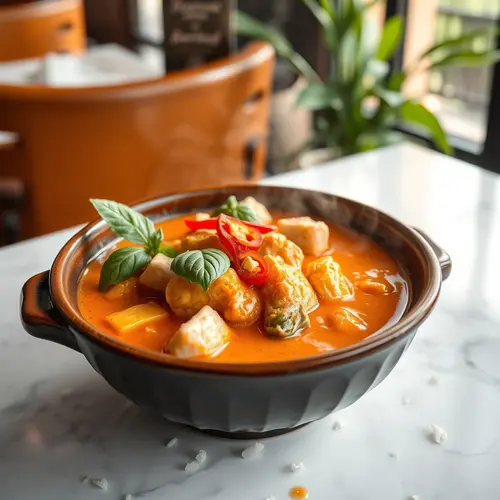
- Green Curry: Coconut milk-based curry with Thai basil and bamboo shoots. Authentic versions use freshly ground curry paste, creating a vibrant green color naturally.
- Som Tum: Green papaya salad with lime, fish sauce, and chilies. Proper preparation uses a mortar and pestle to bruise ingredients, releasing essential oils.
- Massaman Curry: Milder curry with Persian influences, featuring peanuts and potatoes. The complex spice blend differentiates it from other curry styles.
Navigating Spice Levels for Thai Food Milford MI
Thai cuisine’s heat scale differs fundamentally from American “hot sauce” spiciness. Thai chilies contain capsaicin levels that build gradually rather than hitting immediately. Most restaurants offer customizable spice levels from 0 (no heat) to 5 (authentic Thai intensity).
Start conservative if you’re heat-sensitive. A level 2 or 3 provides authentic flavor without overwhelming your palate. Request spice on the side for better control. Contrary to popular belief, dairy doesn’t effectively neutralize Thai chili heat—sticky rice absorbs oils more efficiently.
Quality Indicators for Thai Restaurants
Evaluate thai food milford mi establishments using these professional criteria:
| Quality Factor | What to Look For | Red Flags |
|---|---|---|
| Menu Depth | Regional specialties, seasonal specials, authentic names | Identical to Chinese restaurants, limited options |
| Ingredient Freshness | Visible herb stations, made-to-order sauces | Pre-plated garnishes, generic vegetables |
| Kitchen Transparency | Open kitchen design, willing to discuss preparation | Secretive about ingredients, reluctant staff |
| Aromatics | Distinct lemongrass, basil, and galangal scents | Generic “Asian restaurant” smell, heavy oil odors |
Understanding Thai Cooking Methods
Thai chefs employ specific techniques that impact flavor development. Wok cooking at extremely high temperatures creates the characteristic “wok hei” (breath of the wok) that adds smoky depth to stir-fries. Proper wok technique requires constant motion and precise timing—ingredients added in specific sequences to achieve optimal texture.
Curry preparation follows a methodical process. Cooks fry curry paste in oil first, releasing aromatic compounds before adding coconut milk. This step, called “cracking the coconut milk,” prevents graininess and creates smooth sauce consistency. Rushing this process produces inferior results that lack complexity.
Ordering Strategy for Maximum Value
When dining on thai food milford mi, strategic ordering enhances your experience and budget:
- Share multiple dishes family-style rather than ordering individual entrees. Thai food tastes better when you sample complementary flavors.
- Lunch specials typically offer identical kitchen quality at reduced prices. Portions remain generous while cutting costs 30-40%.
- Skip bottled beverages—Thai iced tea or fresh lime soda provides authentic refreshment at better value.
- Ask about daily specials featuring seasonal ingredients. These dishes often showcase the chef’s creativity and ingredient sourcing relationships.
Common Thai Food Myths Debunked
The food industry perpetuates several misconceptions about Thai cuisine. MSG usage isn’t inherently problematic—glutamate occurs naturally in tomatoes, cheese, and mushrooms. Quality Thai restaurants use fish sauce and oyster sauce for umami depth rather than adding isolated MSG.
Another myth claims all Thai food contains peanuts. While peanut sauce appears in several dishes, the majority of Thai cuisine uses no peanuts whatsoever. Those with allergies can safely enjoy curries, soups, and most stir-fries after confirming preparation methods with staff.
Expert Insight on Thai Ingredient Substitutions
Restaurants sometimes substitute ingredients due to availability or cost constraints. Galangal might become regular ginger, reducing aromatic complexity. Thai basil gets replaced with Italian basil, eliminating the characteristic anise notes. Palm sugar substitution with white sugar creates harsher sweetness without caramel undertones.
These compromises don’t necessarily indicate poor quality—they reflect supply chain realities in Michigan. Ask servers which ingredients are imported versus substituted. Knowledgeable staff transparency demonstrates commitment to customer education rather than hiding shortcuts.
Takeout and Delivery Considerations
Thai food travels relatively well compared to other cuisines, but certain dishes maintain quality better than others. Curries and soups retain heat and flavor during transport. Fried items like spring rolls or fried rice lose crispness quickly—order these only when dining in.
Request sauces and dressings packaged separately to prevent sogginess. Noodle dishes benefit from brief reheating in a pan rather than microwave, which makes noodles rubbery. Add fresh lime juice and herbs immediately before eating to revive aromatics that fade during transit.
Making the Most of Thai Food Milford MI
Building relationships with Thai restaurant staff enhances your dining experience significantly. Regular customers receive better service, insider recommendations, and occasionally off-menu specialties. Express genuine interest in Thai culinary traditions—most chefs appreciate customers who understand the cultural significance behind their dishes.
Don’t hesitate to request modifications. Thai cooking accommodates dietary restrictions easily. Vegetarian versions substitute tofu or mushrooms for meat while maintaining sauce integrity. Gluten-free diners can request tamari instead of soy sauce and specify rice noodles over wheat-based options.
Exploring thai food milford mi offers more than convenient dining—it provides access to one of the world’s most sophisticated culinary traditions. Focus on restaurants demonstrating ingredient quality, cooking technique mastery, and staff knowledge. Your palate will distinguish authentic preparations from shortcuts after sampling multiple establishments. Start with foundational dishes, then progress to regional specialties as you develop appreciation for Thai cuisine’s remarkable depth and complexity.
About the Author