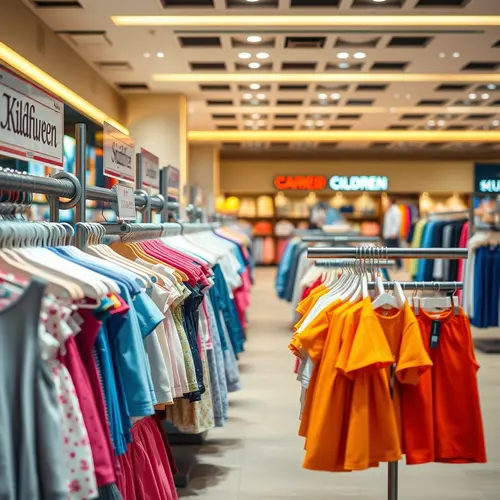
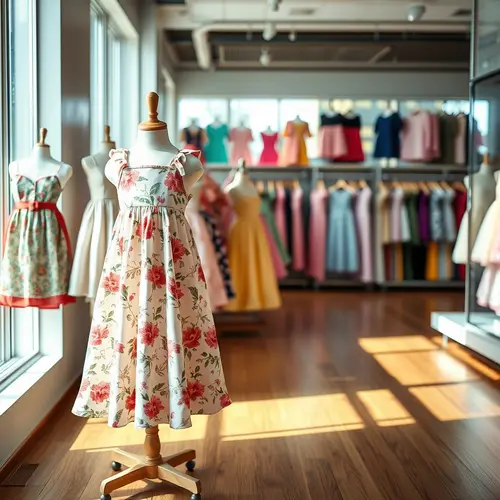
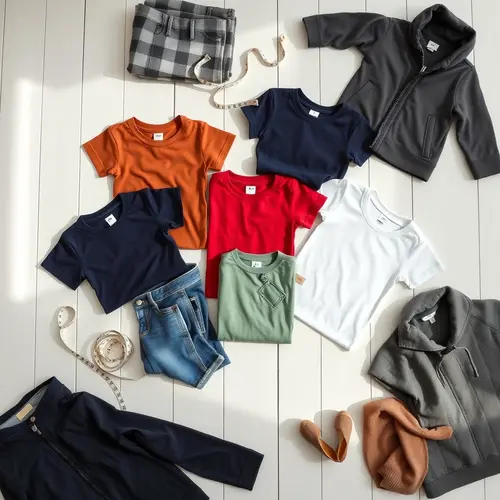
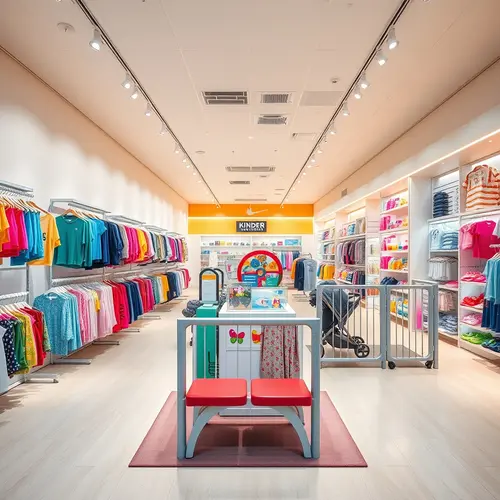
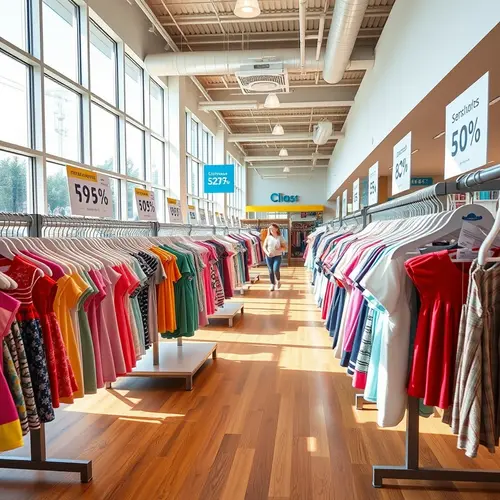
When parents search for dependable children’s apparel, Macy Kids Clothes consistently ranks as a top destination for quality, variety, and value. This department store giant offers an extensive selection that spans from everyday basics to special occasion wear, catering to newborns through pre-teens with diverse style preferences and budget requirements.
Understanding how to navigate the vast inventory, recognize quality indicators, and maximize value requires strategic shopping knowledge. This guide breaks down everything parents need to know about making informed purchasing decisions.
Why Macy Kids Clothes Stand Out in the Market
Macy’s has built its reputation on offering a curated mix of national brands, private labels, and exclusive designer collaborations under one roof. The children’s department features recognizable names like Carter’s, Nike, Tommy Hilfiger, and Levi’s alongside Macy’s proprietary lines.
The strategic advantage lies in the multi-brand approach. Parents can comparison shop without visiting multiple stores, evaluating fabric quality, construction details, and price points side by side.
According to retail industry analysts, department stores that maintain robust children’s sections see higher customer loyalty rates because parents value one-stop shopping convenience. This translates to better inventory turnover and more frequent markdown opportunities for savvy shoppers.
Brand Categories and Quality Tiers in Macy Kids Clothes
The selection breaks down into three primary quality and price tiers. Understanding these categories helps parents allocate budgets effectively.
Tier
Brand Examples
Price Range
Best For
Premium
Ralph Lauren, Calvin Klein, Tommy Hilfiger
$30-$80 per piece
Special occasions, gifts, heirloom pieces
Mid-Range
Epic Threads, Style & Co, First Impressions
$12-$35 per piece
School clothes, weekend wear, versatile basics
Value
Holiday collections, clearance items
$5-$15 per piece
Play clothes, rapid growth phases, layering pieces
Fabric Quality and Construction Details Parents Should Examine
Professional buyers assess garment quality using specific criteria that parents can replicate. These indicators predict longevity and washing durability.
Check seam construction first. Double-stitched hems and reinforced stress points at shoulders and knees indicate superior manufacturing. Single-stitch seams typically unravel faster, especially with active children.
Fabric weight matters significantly. Hold two similar shirts up to light – the garment that blocks more light generally contains denser fabric that withstands repeated washing better. Cotton blends with at least 60% natural fiber content offer the best balance of durability and comfort.
Sizing Strategy for Growing Children
The Macy Kids Clothes sizing system follows industry-standard measurements, but smart parents employ strategic sizing techniques to extend wearability.
Purchase pants with adjustable waistbands to accommodate 6-12 months of growth
Select long-sleeve shirts one size up and roll sleeves initially
Buy dresses slightly longer for extended seasonal wear
Choose elastic-waist bottoms over rigid sizing for comfort and longevity
Consider seasonal timing – buy winter coats in January for next year at 50-70% off
Maximizing Value Through Strategic Shopping Cycles
Department store pricing follows predictable patterns that informed shoppers exploit. Macy Kids Clothes markdowns typically occur on 4-6 week cycles.
Initial markdowns start at 15-25% off original prices. Items remaining after two weeks drop to 40-50% off. Clearance racks feature final reductions of 65-80% off, though size and color selection becomes limited.
Stacking promotions creates maximum savings. Combine sale prices with store credit card discounts (typically 20% off first purchase), coupon codes, and loyalty program rewards. Parents who master this technique routinely achieve 60-75% savings on premium brands.
Expert Opinion: The Private Label Advantage
After evaluating hundreds of children’s garments across multiple retailers, Macy’s private labels like Epic Threads and First Impressions offer exceptional value propositions. These lines match national brand quality at 30-40% lower price points.
The manufacturing facilities often overlap with premium brands – the primary difference lies in branding and marketing costs. Parents who prioritize function over fashion labels achieve significant savings without compromising quality.
Seasonal Shopping Strategy for Macy Kids Clothes
Timing purchases around retail clearance cycles maximizes wardrobe budgets. January and July represent optimal buying windows for forward-thinking parents.
Winter clearance begins immediately after holiday returns process, typically the first full week of January. Summer inventory clears in late July through August to make floor space for back-to-school merchandise.
Smart parents buy 12-18 months ahead in larger sizes, accounting for growth spurts. This strategy requires storage space but delivers substantial savings on seasonal necessities like winter coats, snow pants, and swimwear.
Macy Kids Clothes Online vs. In-Store Shopping Considerations
The Macy Kids Clothes online platform offers distinct advantages and limitations compared to physical store shopping. Web-exclusive items and extended size runs provide broader selection, while in-store shopping allows tactile fabric assessment.
Online shoppers benefit from easier price comparison and access to customer reviews that highlight sizing accuracy and washing durability. Free shipping thresholds (typically $25-$50) encourage consolidated purchases.
Physical stores excel for last-minute needs and immediate sizing verification. The ability to examine stitching quality, fabric weight, and construction details before purchase reduces return rates significantly.
Common Misconceptions About Macy Kids Clothes
Many parents believe outlet stores offer better values than department store clearance sections. Testing this assumption reveals department store final markdowns frequently beat outlet pricing by 15-25% on comparable items.
Another prevalent myth suggests private labels compromise on safety standards or fabric quality. The Federal Trade Commission mandates identical safety testing for all children’s apparel sold in the United States, regardless of brand or price point.
Macy Kids Clothes Troubleshooting: Sizing Between Brands
Parents frequently encounter frustration when sizing varies between brands carried at Macy Kids Clothes. This inconsistency stems from different manufacturer target demographics and fit philosophies.
European brands like Tommy Hilfiger typically run smaller than American brands like Carter’s. Athletic brands like Nike and Adidas cut slimmer through the torso for active fit.
Consultation of detailed size charts before purchase prevents returns. Measure the child’s chest, waist, and inseam, then compare against brand-specific charts rather than relying on age-based sizing alone.
Building a Functional Macy Kids Clothes on Any Budget
Financial advisors specializing in family budgeting recommend allocating no more than 3-5% of household income to children’s clothing. Macy Kids Clothes supports this guideline through diverse price points and frequent promotions.
A functional school-age wardrobe requires approximately 8-10 tops, 5-7 bottoms, one jacket, and two pairs of shoes per season. Focusing purchases on neutral colors and classic styles maximizes mix-and-match potential while minimizing total pieces needed.
Parents who prioritize quality over quantity in foundational pieces like jeans, jackets, and shoes, then supplement with less expensive trendy items, achieve the best balance of style, function, and value.
Strategic shopping at Macy Kids Clothes transforms routine purchasing into an opportunity for substantial savings without sacrificing quality or style. Understanding brand hierarchies, timing clearance cycles, and recognizing quality indicators empowers parents to build versatile, durable wardrobes that serve active children through multiple seasons of wear.
James Anderson covers local business and opportunity since 2020, testing 60+ local services and business tactics on value, trust, and results to help owners and deal seekers choose with confidence.