best restaurants in the world
The Economics of Gastronomy: What Makes a Restaurant Elite
Top-tier dining is a high-stakes business venture. High overhead costs, volatile supply chains, and labor-intensive preparation make the margin for error razor-thin. Industry data from the National Restaurant Association indicates that operational efficiency is the primary driver of longevity. The most successful venues balance artistic vision with a rigorous financial model. True excellence manifests in the consistency of the experience. A world-class establishment delivers the same level of precision on a Tuesday afternoon as it does on a Saturday night.Criteria for Evaluating the best restaurants in the world
Professional critics and business analysts use specific benchmarks to categorize excellence. It is not just about the food; it is about the total sensory engineering.1. Ingredient Sourcing and Supply Chain Integrity
Elite chefs build direct relationships with producers. This ensures a level of quality that commercial distributors cannot match. They prioritize seasonal procurement. This reduces costs while maximizing flavor profiles and nutritional value.2. Technical Execution and Innovation
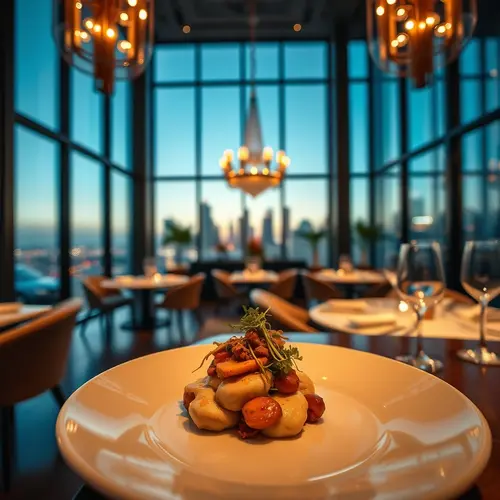
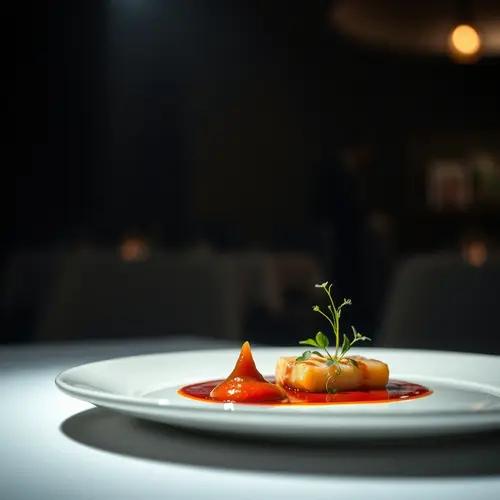
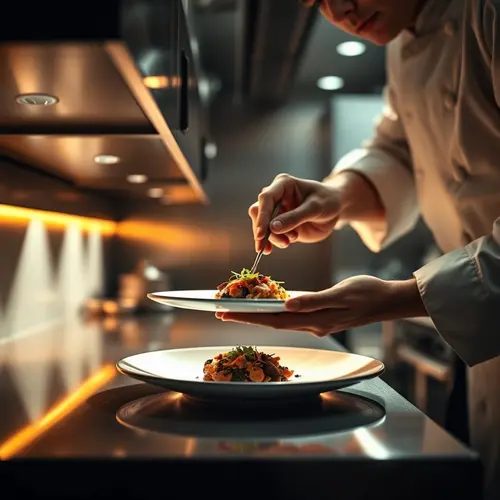
Precision is non-negotiable. Whether it is the exact temperature of a sous-vide bath or the millimetric precision of a plating, consistency is key. Innovation means pushing boundaries. The best restaurants in the world often redefine how we perceive flavor combinations through molecular gastronomy or ancient fermentation techniques.3. Service Architecture and Hospitality
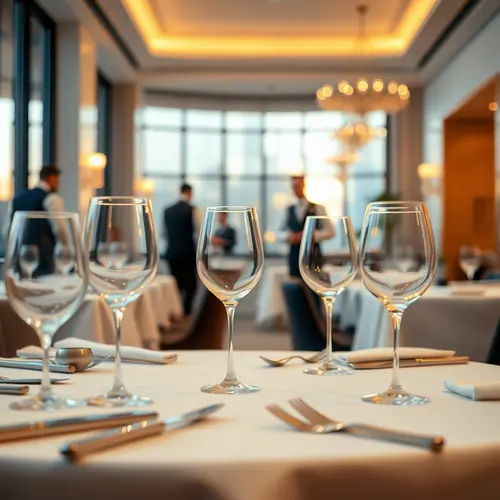
Service is an invisible art. The goal is anticipation—providing what the guest needs before they realize they need it. This requires intense staff training and a deep understanding of psychology. The staff must act as guides, not just servers.Comparative Analysis of Dining Tiers
| Metric | Fine Dining (Elite) | Bistro/Casual High-End | Street Food Gems |
|---|---|---|---|
| Focus | Experience & Artistry | Quality & Comfort | Authenticity & Speed |
| Price Point | Premium/Ultra-High | Moderate to High | Low to Moderate |
| Staff Ratio | High (1:2 or 1:1) | Moderate | Low |
| Booking | Months in Advance | Days or Walk-in | Walk-in |
Expert Opinion: The Myth of the “Best” List
Many people rely solely on curated lists to find the best restaurants in the world, but this is a mistake. These lists often favor “destination dining” and prestige over actual culinary value. I have observed that some of the most influential kitchens are small, unassuming spots that ignore the hype. These venues focus on a limited menu, perfecting three or four dishes rather than attempting a sprawling, mediocre list. The real value lies in the culinary identity. A restaurant that tries to please everyone usually fails to excite anyone. The most respected venues have a clear, uncompromising point of view.How to Identify a World-Class Dining Experience
- The Menu Structure: Look for concise menus. A short menu indicates a focus on quality and fresh daily procurement.
- Staff Knowledge: Ask a specific question about a source ingredient. A top-tier server will know the exact farm or region of origin.
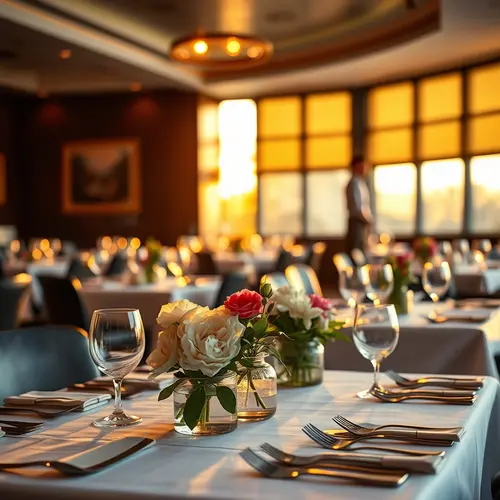
- Atmosphere Control: Notice the lighting, acoustics, and temperature. Elite venues engineer the environment to complement the meal.
- Consistency: Check if the execution remains flawless across multiple visits.
Financial Sustainability in High-End Dining
Maintaining a spot among the best restaurants in the world requires massive capital investment. The cost of labor for highly skilled chefs is substantial. Many venues diversify their revenue streams to survive. This includes selling branded merchandise, offering consultancy, or opening smaller, more accessible “sister” concepts. Without a diversified business model, even the most creative kitchens can collapse under the weight of their own ambition.The Future of Global Gastronomy
The shift toward sustainability is now a core requirement. Waste reduction and ethical sourcing are no longer optional; they are markers of quality. We are seeing a move away from formality. The “white tablecloth” era is fading, replaced by a focus on intimacy and authenticity. The best restaurants in the world are those that can evolve without losing their core soul. They adapt to new tastes while maintaining the standards that made them famous.Related: la best restaurant for every budget and elements of exceptional dining experiences.
Service Rituals That Matter
Great rooms pace courses to conversation, never rushing anniversary dinners. Water glasses refill invisibly while crumbs vanish between plates. Captains describe dishes without hovering over shoulders.
Timing separates elite best restaurants from merely expensive ones consistently. Kitchens fire mains only when appetizers clear completely. Desserts arrive exactly as coffee temperatures peak perfectly.
Staff remember preferences across visits, greeting regulars by name warmly. Personal recognition transforms meals into traditions worth repeating.
Tasting Menus Versus Classics
Tasting menus showcase chef creativity across eight-plus courses beautifully. Classics execute fewer dishes flawlessly for purists seeking comfort. Adventurous diners choose tastings; traditionalists order signatures.
Wine pairings elevate tastings when sommeliers explain each pour briefly. Budget watchers split one pairing between two diners smartly. Pair visits with ideas from our fine dining restaurants guide and global picks in our Thai food favorites. Star benchmarks reference Michelin Guide selections.
Photograph standout plates for memory aids between annual visits. Notes on vintages guide future orders smartly. Great dining rewards prepared guests richly.
Share discoveries with fellow food lovers promptly. Memorable meals multiply when stories travel widely.
Dress codes deserve respect at storied rooms always. Arrive punctually because late seating compresses courses. Savor every bite slowly and gratefully.
Tasting fees often waive with bottle purchases at wineries nearby. Plan full evenings around single destinations leisurely.
Bon appetit and happy fine dining always.
Reserve early for anniversary dates especially.
Cheers to unforgettable meals together.
Enjoy every course fully tonight.
Savor it all.
Dig in.
What defines the best restaurants?
Elite service pacing, ingredient sourcing, and consistency across visits. Stars recognize years of excellence, not single meals.
Tasting menu or classics?
Adventurous diners pick tastings; traditionalists order signatures. Both reveal kitchen mastery differently.
How do I get reservations?
Book weeks ahead, try bar seating, and confirm day-of. Off-peak nights ease access.
About the Author