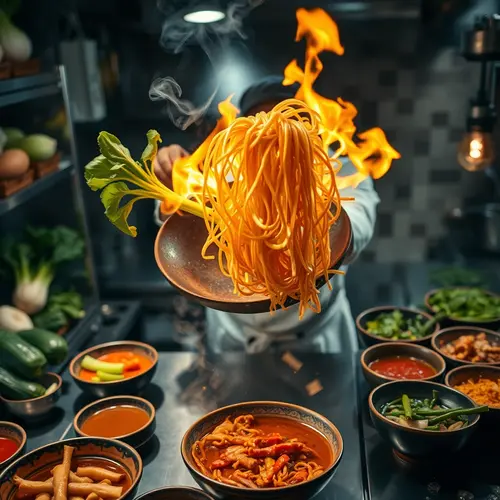
What transforms a simple meal into a memory that lingers for years? Exceptional dining experiences go far beyond the food on your plate. They orchestrate a symphony of sensory details, personalized service, and emotional resonance that elevates dining into an art form.
Understanding these experiences matters whether you’re a restaurant owner aiming to differentiate your establishment or a diner seeking truly memorable meals. The hospitality industry has long studied what separates forgettable meals from transformative ones.
The Foundation of Exceptional Dining Experiences
Restaurant excellence requires a delicate balance of tangible and intangible elements. According to the National Restaurant Association, customer satisfaction hinges on multiple touchpoints working in harmony.
The most successful establishments recognize that exceptional service begins before guests arrive and extends beyond their departure. Every interaction shapes perception and memory formation.
Culinary Craftsmanship and Innovation
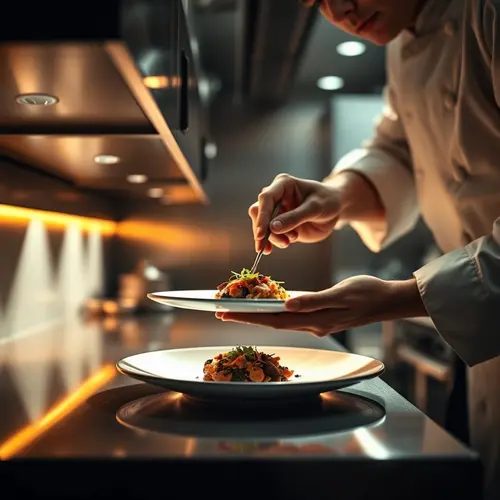
At the heart of any exceptional dining experience lies masterful cuisine. This means ingredient sourcing that prioritizes quality over cost savings, preparation techniques refined through years of practice, and flavor profiles that surprise while remaining approachable.
The James Beard Foundation emphasizes that great chefs balance creativity with consistency. Innovation for its own sake often backfires. Instead, thoughtful evolution of classic techniques and seasonal menu rotations keep offerings fresh without alienating guests who return for signature dishes.
Portion sizing also plays a crucial role. Overly large plates create waste and discomfort. Carefully calibrated courses allow diners to appreciate each element without overwhelming their palate or appetite.
Ambiance and Environmental Design
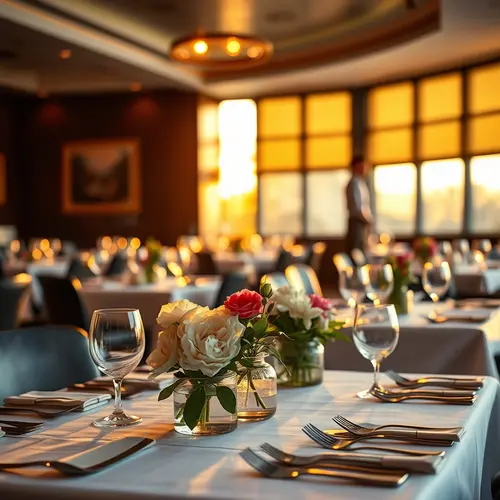
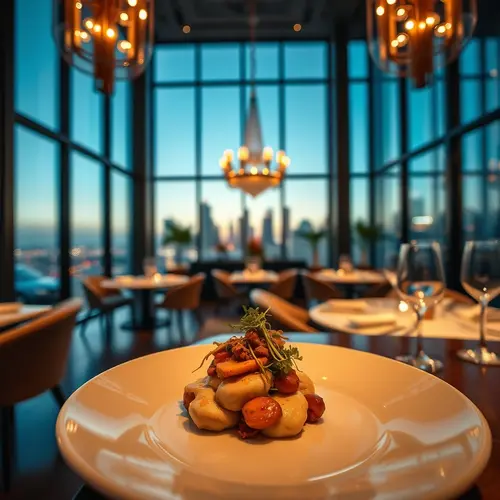
Physical space dramatically influences how we perceive food and service. Lighting temperature affects mood—warmer tones create intimacy while cooler lighting feels more energetic. Acoustic design prevents conversation from becoming strained or private discussions from feeling exposed.
The Cornell School of Hotel Administration has published research demonstrating that table spacing, chair comfort, and even ceiling height impact diner satisfaction scores. Small design choices compound into significant experiential differences.
Design Element
Impact on Experience
Common Mistakes
Lighting
Sets mood, influences perception of food quality
Overly bright or dim settings
Acoustics
Enables comfortable conversation
Hard surfaces creating echo chambers
Table spacing
Provides privacy and comfort
Cramming too many seats for revenue
Temperature
Affects dining duration and comfort
Inconsistent climate control
Service Excellence as a Differentiator
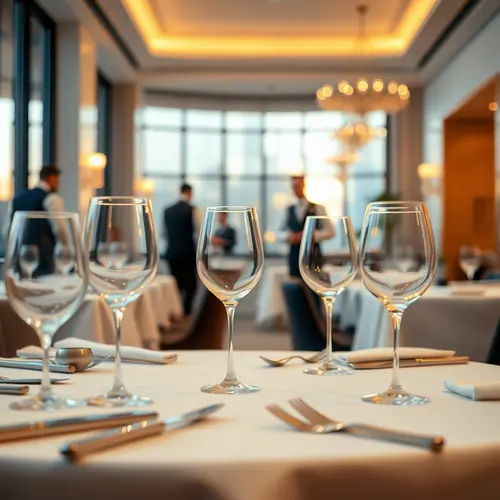
Skilled servers read tables instinctively. They anticipate needs without hovering, provide recommendations tailored to stated preferences, and handle special requests with genuine enthusiasm rather than obligation.
The Culinary Institute of America trains hospitality professionals to view service as performance art. Timing matters enormously—clearing plates too quickly rushes guests, while delayed service kills momentum.
Personalization and Recognition
Data from hospitality management studies shows that personalized touches increase return visit rates by substantial margins. This ranges from remembering dietary restrictions to acknowledging anniversaries or special occasions without guests needing to remind staff.
High-end establishments maintain detailed guest profiles. This isn’t intrusive when executed properly—it demonstrates genuine care. A server who remembers that you prefer sparkling water or avoid cilantro creates an impression of attentiveness that transcends transactional service.
Creating Exceptional Dining Experiences: The Overlooked Details
Many restaurateurs focus exclusively on food and ignore the supporting infrastructure that enables memorable meals. Bathroom cleanliness, coat check efficiency, reservation system functionality—these unglamorous elements destroy otherwise stellar experiences when neglected.
The Pacing Paradox
Here’s a contrarian insight: rushed meals aren’t always bad, and leisurely dining isn’t automatically better. Exceptional dining experiences match pacing to context and guest preference.
A business lunch requires different timing than an anniversary dinner. Smart establishments ask guests about their schedule during reservation confirmation. This simple question prevents the frustration of being rushed when you wanted to linger or being kept waiting when you’re time-constrained.
The Menu Psychology
Menu design influences ordering behavior in subtle but measurable ways. Research published in hospitality journals demonstrates that item placement, description length, and price presentation all impact selection patterns.
The best menus tell stories without becoming novellas. They provide enough information for informed choices without overwhelming decision-making. Strategic highlighting guides guests toward high-quality or high-margin items without feeling manipulative.
Essential Components Checklist
To deliver exceptional dining experiences consistently, establishments should master these core areas:
Ingredient Integrity: Source from reputable suppliers, maintain proper storage, and rotate inventory to guarantee freshness
Staff Training: Invest in ongoing education about menu items, wine pairings, and service protocols
Consistency Systems: Implement preparation standards that deliver identical results regardless of which chef is working
Feedback Mechanisms: Create channels for honest guest input and demonstrate responsiveness to concerns
Maintenance Protocols: Schedule regular deep cleaning, equipment servicing, and facility updates
Crisis Management: Develop procedures for handling dietary emergencies, service failures, and unexpected situations
The Experience Economy Perspective
Dining has evolved beyond simple sustenance into an experiential purchase. Guests increasingly value memories and stories over material possessions. This shift elevates the importance of creating distinctive, shareable moments.
Social media has amplified this trend, but the underlying psychology predates digital platforms. People have always bonded over shared meals and told stories about remarkable dining adventures.
Value Beyond Price Point
A common misconception equates exceptional dining experiences exclusively with expensive fine dining. This oversimplification ignores the reality that value is subjective and context-dependent.
A perfectly executed neighborhood bistro offering honest food with warm hospitality can provide experiences as memorable as Michelin-starred establishments. The key differentiator is intentionality—every element serves a purpose and reflects genuine care rather than checking boxes or chasing trends.
Expert Perspective: The Forgotten Sense
Most dining discussions focus on taste, presentation, and smell. Yet touch—often overlooked—plays a vital role in exceptional dining experiences. The weight of flatware, the texture of linens, the temperature of serving vessels, and the comfort of seating all communicate through tactile feedback.
Restaurants investing in this sensory dimension create subconscious impressions of quality and attention to detail. Guests may not consciously notice these elements, but their absence or poor execution registers negatively.
Practical Troubleshooting Scenario
Consider a hypothetical high-end restaurant experiencing declining repeat visits despite positive initial reactions. Investigation reveals that while the food and ambiance excel, service pacing has become erratic due to understaffing during rush periods.
The solution requires addressing root causes rather than symptoms. Simply hiring more servers without examining scheduling systems, kitchen communication protocols, and table management software integration won’t solve the underlying coordination failures creating the pacing problems.
This scenario illustrates how exceptional dining experiences depend on operational excellence invisible to guests. The magic happens through systematic attention to workflow optimization, not just front-of-house charm.
Final Thoughts on Dining Excellence
Creating truly exceptional dining experiences demands commitment to excellence across every touchpoint. There are no shortcuts or single magic ingredients—only the disciplined execution of fundamentals combined with genuine hospitality.
Whether you’re selecting a restaurant for a special occasion or operating an establishment, understanding these principles transforms how you approach dining. The goal isn’t perfection in isolation but rather harmonious integration of quality food, thoughtful service, and memorable atmosphere into cohesive experiences that nourish both body and spirit.
James Anderson covers local business and opportunity since 2020, testing 60+ local services and business tactics on value, trust, and results to help owners and deal seekers choose with confidence.