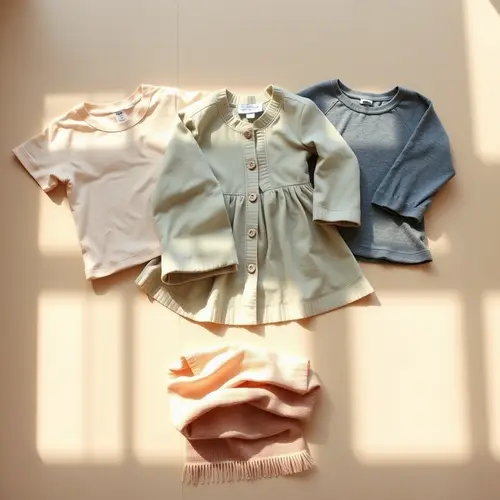
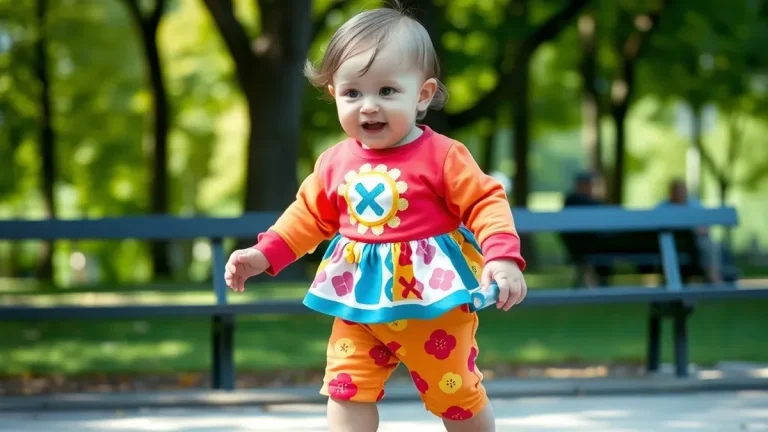
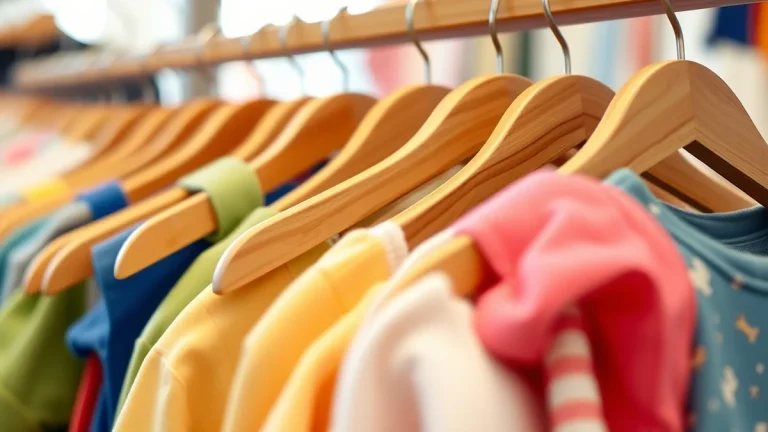
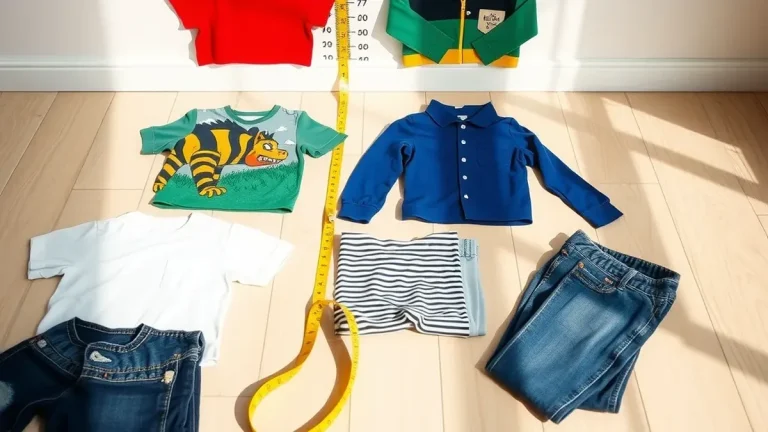
Choosing the right cloths for kids involves more than just picking what looks cute—it’s about understanding fabric quality, safety standards, and practical durability for active children. Parents and guardians face hundreds of options daily, and knowing which materials protect children’s skin while withstanding wear and tear makes a significant difference in overall well being and budget management.
Why Fabric Choice Matters for Cloths For Kids
Children’s skin is more sensitive than adults’ skin, with a thinner outer layer that absorbs chemicals more easily. The American Academy of Pediatrics emphasizes the importance of selecting textiles that minimize irritation and allergic reactions. Cloths for kids should prioritize breathability and moisture-wicking properties to prevent heat rash and fungal infections, particularly in warmer climates.
Beyond health considerations, the right fabric choice extends garment lifespan. Quality materials withstand repeated washing, play-time stress, and growth spurts without degrading rapidly. This practical benefit reduces overall clothing expenses for families managing multiple children or tight budgets.
Core Fabric Types for Cloths For Kids
Natural Fiber Options in Cloths For Kids
Cotton remains the gold standard for children’s garments. Organic cotton, certified by organizations like the Global Organic Textile Standard (GOTS), eliminates pesticide residues that conventional cotton may retain. Merino wool offers exceptional temperature regulation and naturally antimicrobial properties, making it ideal for layering and outdoor wear.
Linen blends provide breathability and durability. Bamboo viscose (when produced sustainably) offers softness comparable to cotton with slightly better moisture-wicking capabilities. These natural options allow skin to breathe while reducing static electricity and synthetic chemical exposure.
Synthetic and Blend Considerations
Polyester and polyester blends offer durability and wrinkle resistance, but pure synthetics trap moisture and heat against the skin. Strategic blends—such as 65% polyester with 35% cotton—balance durability with breathability. Spandex additions (typically 5-10% in active wear) provide stretch without compromising structure.
Performance fabrics designed for sports reduce moisture accumulation through advanced construction rather than material alone. These serve specific purposes but shouldn’t dominate a child’s everyday wardrobe.
Safety Standards and Certifications
The Consumer Product Safety Commission (CPSC) establishes flammability standards for children’s sleepwear and regular clothing. All garments sold in the United States must comply with these standards. Look for labels indicating compliance with Federal regulations, particularly for sleepwear items.
Chemical safety matters substantially. Chemicals like formaldehyde, heavy metals, and phthalates sometimes appear in dyes and finishes. Third-party certifications such as GOTS, Oeko-Tex Standard 100, and STANDARD 100 by Oeko-Tex verify that cloths for kids meet strict chemical limits across the production chain.
Certification
What It Verifies
Relevance to Kids
GOTS (Global Organic Textile Standard)
Organic fiber production and chemical limits
Eliminates pesticide residues; high trustworthiness
Oeko-Tex Standard 100
Chemical safety across finished garments
Tests for harmful substances at every production stage
CPSIA Compliance
US legal flammability and lead/phthalate limits
Legal minimum; all US garments must comply
Fair Trade Certified
Labor practices and supply chain ethics
Ensures ethical production conditions
Practical Buying Checklist for Cloths For Kids
Examine fiber content labels—aim for 100% natural fibers or strategic blends that prioritize natural base materials
Check for certifications like GOTS or Oeko-Tex on tags or product descriptions
Test softness by touching garments before purchasing; rough seams or stiff fabric indicate lower quality
Verify stitching quality at seams, buttonholes, and hems—tight, even stitching lasts longer
Consider growth room without excessive bagginess; garments should fit comfortably for at least one season
Buy slightly fewer items in premium materials rather than many items in low-quality synthetics
Read care instructions and ensure washing requirements match your household routine
Real-World Scenario: Quality vs. Cost
A common misconception suggests that expensive clothing is always better. However, a well-made cotton blend shirt from a mid-range retailer—with proper certifications—often outperforms a designer synthetic garment lacking quality construction. The distinction lies in fiber content, stitching precision, and finishing techniques rather than brand prestige alone. A parent purchasing five quality basics typically spends less over time than buying twenty fast-fashion items that pill, fade, and develop holes within one season.
Care and Longevity of Cloths For Kids
Proper maintenance extends garment lifespan dramatically. Wash in cold water with mild detergent to preserve fiber integrity and color. Turn garments inside-out before washing to reduce fading and surface pilling. Air-drying maintains elasticity better than machine drying, particularly for natural fibers and garments with elastic components.
Store seasonal items in breathable containers rather than plastic bags to prevent moisture accumulation and mildew. Rotate items in active rotation to distribute wear evenly across the wardrobe.
The Bottom Line on Cloths For Kids
Selecting quality cloths for kids protects children’s health, respects household budgets, and reduces environmental waste. Prioritize natural fibers, verify safety certifications, examine construction quality, and view garment selection as an investment in durability rather than a quick purchase. This approach ensures children have comfortable, safe clothing that grows with them through active childhood years.
James Anderson covers local business and opportunity since 2020, testing 60+ local services and business tactics on value, trust, and results to help owners and deal seekers choose with confidence.