Children Wear
Finding the right Children Wear involves balancing quality, safety, comfort, and budget considerations that directly impact your child’s health and development. Parents face mounting pressure from fast fashion trends while navigating complex sizing systems, fabric safety standards, and durability requirements that vary dramatically across age groups.
This comprehensive guide cuts through marketing noise to deliver actionable intelligence on selecting clothing that protects your investment and your child’s wellbeing.
Understanding Children Wear Safety Standards and Certifications
Safety transcends style when outfitting young children. The Consumer Product Safety Commission enforces strict flammability standards for children’s sleepwear, requiring flame-resistant fabrics or snug-fitting designs that prevent ignition accidents.
Look for OEKO-TEX Standard 100 certification, which tests for harmful substances including heavy metals, formaldehyde, and pesticides. This third-party verification ensures fabrics meet stringent human-ecological requirements.
Choking hazards remain a primary concern for children under three years. Avoid garments with small buttons, decorative beads, or detachable elements that pose aspiration risks. The American Academy of Pediatrics recommends inspecting clothing hardware regularly for loose components.
Toxic Chemical Concerns in Children Wear
Synthetic dyes and finishing treatments often contain phthalates, lead, and azo compounds linked to developmental disruptions. Natural fiber alternatives like organic cotton eliminate pesticide exposure but require verification through GOTS (Global Organic Textile Standard) certification.
Water-based prints and vegetable-tanned leather represent safer alternatives to conventional treatments. Price premiums for certified organic options typically range from 30-50% above conventional equivalents.
Decoding Children Wear Size Charts and Growth Patterns
Children’s clothing sizes lack standardization across manufacturers, creating confusion that leads to costly returns and wasted purchases. European sizing uses height measurements in centimeters, while US manufacturers employ age-based designations that fail to account for individual growth variations.
| Age Range | Height (inches) | Weight (lbs) | Common Size |
|---|---|---|---|
| 12-18 months | 30-32 | 22-26 | 18M |
| 2-3 years | 33-38 | 27-32 | 2T-3T |
| 4-5 years | 39-44 | 33-42 | 4-5 |
| 6-7 years | 45-50 | 43-56 | 6-7 |
Measure your child’s height, chest, and waist before purchasing. Buy based on measurements rather than age labels to minimize fitting errors.
Strategic Children Wear – Sizing for Extended Wear
Purchasing one size larger extends garment lifespan but risks safety hazards with excessively long sleeves or dragging hemlines. Adjustable waistbands and rolled cuffs provide flexibility without compromising fit.
Growth spurts accelerate between ages two and five, then again during pre-adolescence. Budget allocation should account for rapid size transitions during these peak periods.
Fabric Selection Science for Children Wear – Durability and Comfort
Cotton dominates children’s clothing for its breathability and hypoallergenic properties, but pure cotton lacks the resilience needed for active play. Cotton-polyester blends (60/40 ratio) offer superior wrinkle resistance and shape retention while maintaining adequate moisture wicking.
Merino wool provides exceptional temperature regulation without the itchiness of standard wool varieties. This natural fiber resists odors and maintains insulation even when damp, making it ideal for outerwear and base layers.
Avoid acrylic and nylon for everyday Children Wear as these synthetic materials trap heat and moisture, creating environments for bacterial growth and skin irritation. Reserve synthetic performance fabrics for specific athletic applications.
Children Wear: Debunking the “Gentle Cycle Only” Myth
Contrary to care label instructions, most children’s garments withstand regular machine washing without specialized treatment. The textile industry benefits from promoting delicate care requirements that shorten product lifespans.
Pre-treating stains with enzyme-based cleaners and washing in cold water preserves fabric integrity better than hot water cycles recommended on many labels. Air drying extends garment life significantly compared to high-heat tumble drying.
Seasonal Children Wear Strategies That Maximize Value
Layering systems outperform single-purpose seasonal purchases by adapting to fluctuating temperatures and extending usability across months. Base layers, mid-layers, and outer shells create versatile combinations that serve multiple weather conditions.
- Base layer: Moisture-wicking fabric in long-sleeve and short-sleeve options
- Mid-layer: Fleece or lightweight insulated vest for adjustable warmth
- Outer shell: Waterproof, windproof jacket with removable hood
- Accessories: Hats, gloves, and scarves in merino wool or fleece
End-of-season clearance sales offer discounts of 60-75% on quality Children Wear. Purchase next year’s sizes during these windows to capture maximum savings without sacrificing quality.
Children Wear Budget Optimization Without Quality Compromise
Cost-per-wear analysis reveals that mid-tier brands frequently deliver superior value compared to both budget and premium options. Calculate the price divided by anticipated wears to identify true bargains.
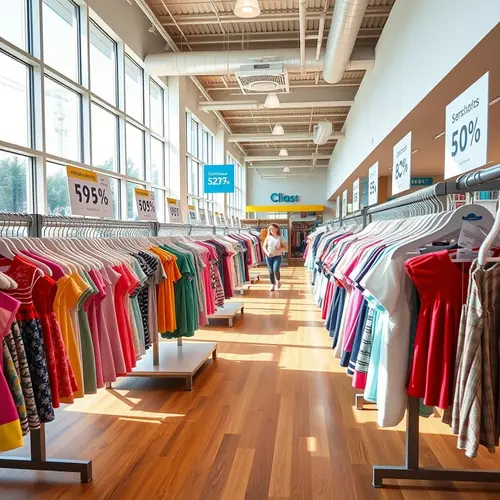
Outlet stores from established manufacturers offer previous season’s inventory at 40-60% discounts. These garments maintain identical quality standards to current offerings while eliminating the premium for latest styles.
Second-Hand Market Intelligence
Children outgrow clothing before significant wear occurs, creating robust resale markets for gently used items. Consignment stores and online platforms provide access to premium brands at fraction of retail costs.
Inspect second-hand purchases for weakened elastic, faded colors, and fabric pilling that indicate excessive wear. Avoid garments with stretched necklines or permanent stains regardless of price reductions.
Children Wear: The School Uniform Paradox
School uniform requirements promise simplified morning routines and reduced peer pressure, but they introduce hidden costs that many families overlook. Specialized uniform pieces from approved vendors command premium pricing while restricting competitive market forces.
Generic alternatives in matching colors cost 50-70% less than branded uniform items when dress codes permit non-branded options. Strategic purchasing during back-to-school sales captures additional 20-30% savings.
The argument that uniforms eliminate socioeconomic distinctions fails under scrutiny. Children display status through shoes, accessories, and outerwear that fall outside uniform regulations, merely shifting rather than eliminating appearance-based comparisons.
Final Considerations for Smart Children Wear Purchases
Prioritize versatility over trend-driven pieces that lose appeal after minimal wear. Neutral colors and classic silhouettes transition across seasons and pair easily with existing wardrobe components.
Establish relationships with specific retailers to track fit consistency across their product lines. Brand loyalty reduces trial-and-error purchasing when you identify manufacturers whose sizing aligns with your child’s proportions.
Remember that Children Wear decisions impact more than immediate appearance. Quality garments support healthy development through appropriate temperature regulation, freedom of movement, and protection from environmental hazards. Investment in durable, safe clothing delivers returns measured in both financial savings and child wellbeing.
About the Author